

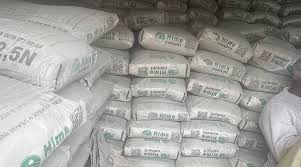
The recent police raid in Luweero, where suspected counterfeit cement was recovered from a hardware outlet, should not be dismissed as an isolated criminal case.
It is a warning signal about a quiet but dangerous problem within Uganda’s construction sector.
Counterfeit cement is not just a matter of financial loss. It is a safety risk with potentially life-threatening consequences.
For those familiar with construction sites, the danger is clear: when cement is compromised, the entire structure is at risk.
The Luweero operation revealed cement allegedly repackaged under established brands such as Hima Cement, Tororo Cement and Simba Cement.
According to the Uganda National Bureau of Standards (UNBS), counterfeiters are increasingly mixing genuine cement with cheaper materials like stone dust or lime, before sealing the mixture in branded bags and attaching fake certification marks.
To the untrained eye, such cement can appear genuine. Structurally, however, it is unreliable.
Cement is the binding element in concrete. When its quality is compromised, the effects can range from early wall cracks to more severe failures in slabs and columns.
In some cases, the damage only becomes visible months or years later, by which time the structural integrity of a building may already be significantly weakened.
The Luweero incident underscores the need for greater awareness. While enforcement by regulators is important, the responsibility to detect and avoid counterfeit products also rests with buyers, contractors, and site supervisors.
There are practical steps that can reduce the risk.
Start with the source. Cement should always be purchased from authorised dealers. Roadside suppliers or unusually low prices are often warning signs.
Examine the packaging carefully. Genuine cement bags typically have clear, sharp printing and consistent branding. Counterfeit packaging may show spelling errors, faded colours, or signs of reuse.
Check the UNBS quality mark. While the Q-mark is an important indicator of compliance, it can also be forged. Any signs of tampering or poor printing should raise concern.
Physical inspection is equally important. Quality cement is fine, smooth, and cool to the touch. Gritty texture, lumps, or warmth may indicate moisture exposure or adulteration.
Weight also matters. A standard bag should weigh 50 kilogrammes. Underweight bags may signal tampering.
Finally, always request an invoice. Documentation provides traceability and can be critical in holding suppliers accountable.
Industry players have repeatedly warned about the risks. Following the Luweero arrests, a representative of Hima Cement condemned the practice, noting that counterfeit products endanger lives and undermine the integrity of the construction sector.
Despite ongoing enforcement efforts, counterfeiters continue to adapt, exploiting both regulatory gaps and limited public awareness. This makes vigilance across the construction chain essential.
The lesson from Luweero is clear. A building’s strength depends not just on its design, but on the quality of the materials used.
As Uganda’s construction sector continues to grow, ensuring material integrity must remain a priority. Because in construction, the risks are not always immediate — but when they emerge, the consequences can be irreversible.
